
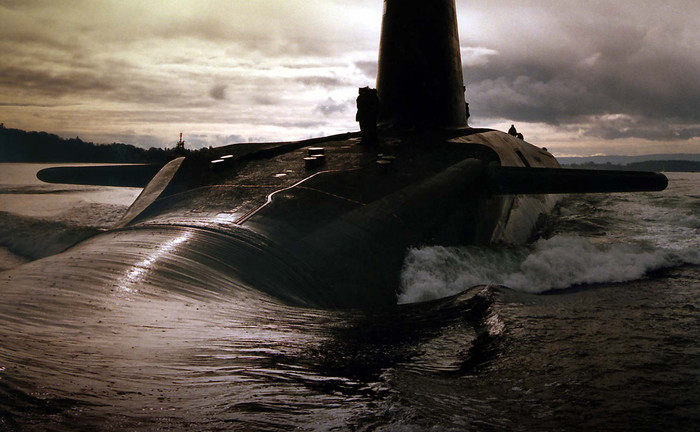
David Cameron today revealed that the estimated cost of replacing the United Kingdom’s Trident Nuclear Submarines has risen by £6bn. There will also be a £10bn contingency set aside, meaning the total cost could potentially run up to £41bn. In 2006, the Ministry of Defense estimated replacing the nuclear deterrent system would cost £25bn. The announcement was made as part of the Strategic Defense and Spending Review, where Cameron also stated that the number of civil servants at the Ministry of Debate would be cut by 30%.
The renewal of Trident has been a widely controversial issue, and today’s news is likely to reinvigorate those who have been campaigning to stop it going ahead. Kate Hudson, the general secretary of the Campaign for Nuclear Disarmament, said: “In its determination to replace this cold war relic, the government is prepared to keep on spending, even if it’s to the detriment of conventional forces and tackling the real security threats we face, such as terrorism, cyber warfare and climate change.”
Within the political realms, Trident has been an incredibly divisive issue, and no more so than in the Labour Party. Jeremy Corbyn – who overwhelmingly won the Labour leadership in September, but has been under pressure from all sides, on almost all issues – has made it clear that he is personally against nuclear weapons and even went as far to say that, if he were Prime Minister, he would never press the button. This is in stark contrast to the actual policy position of the Labour Party, which is being in favour of Trident renewal. Hillary Benn, the Shadow Foreign Secretary in Corbyn’s cabinet has previously released a statement stating he believes “strongly in nuclear disarmament, but it has to come through multilateral negotiation and not unilateral disarmament.”
Opinions on the nuclear issue, in general, seem to be based more on ideology and deeper held beliefs about security and sustainability than economics, so today’s announcement is unlikely to make a real difference in the Trident debate.