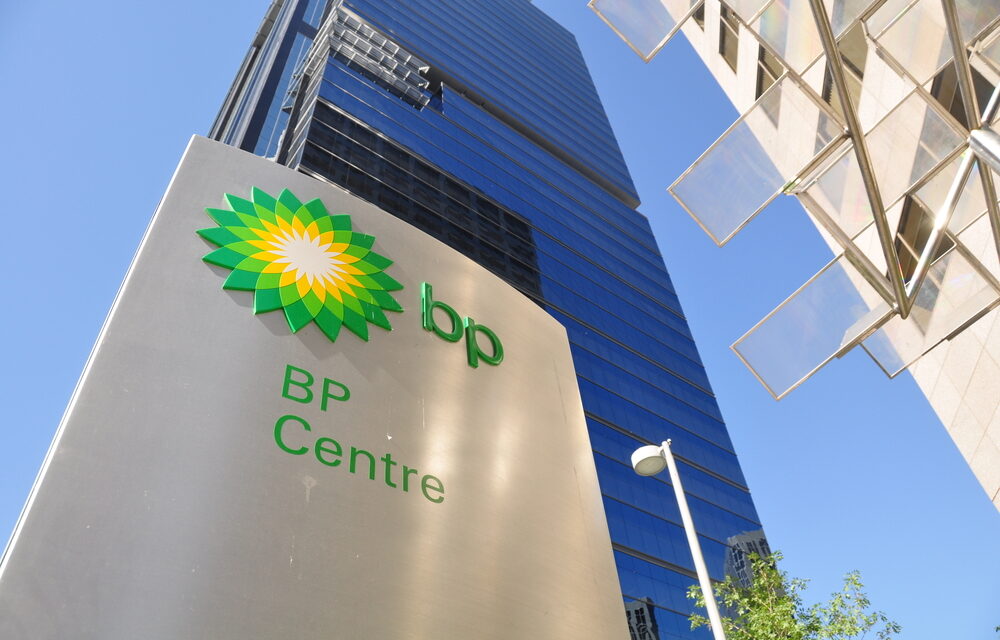
BP CEO Bernard Looney announced that the company had a strong performance in the first quarter of the year. BP reported an “exceptional” performance in gas marketing and trading and “very strong” oil trading. Nick Butler, a former BP executive and professor at Kings College London, believes that the company’s strong performance comes from good internal business performance and high global prices. However, he warns that the company’s profits will likely decrease later this year due to falling oil and gas prices.
Last year, the UK government introduced a windfall tax called the Energy Profits Levy (EPL) to help fund its scheme to lower gas and electricity bills. The EPL is set at 35%, and with existing taxes on oil and gas companies, it takes the total UK tax rate to 75%. However, companies can reduce their tax by factoring in losses or investments in their UK oil and gas business.
BP’s profits are mainly earned outside the UK and are not covered by the EPL. In the first three months of 2023, the company paid $3.4bn in tax globally and $650m in the UK, with about $300m due to the EPL. BP has spent an extra $1bn in taxation since the EPL was introduced.
Wholesale gas prices have been falling, raising hopes that household bills will start to come down this summer. The cost of Brent crude oil has also fallen back to around $80 a barrel from highs of nearly $128 following the invasion of Ukraine. However, BP predicts that oil and European gas prices will remain higher than usual in the next three months.
The UK government’s Energy Price Guarantee has limited energy bills for a typical household to £2,500 a year. However, this level of support is due to stop at the end of June. Experts believe that bills will fall below this in July due to falling wholesale costs. This would make the price guarantee redundant.