
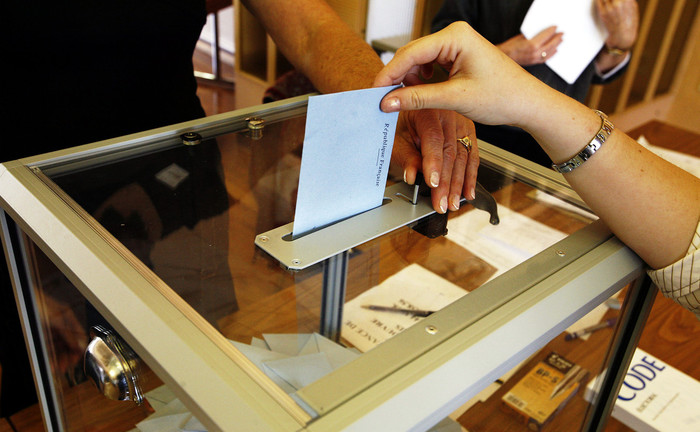
The most important and brilliant thing about living in a western society such as the United Kingdom is being part of the democratic process. As citizens we get to use our voice by taking part in free and fair elections. The politicians in charge know they are accountable to their constituents; if they do a bad job, they will be voted out of office at the next election. Being part of this process is seen as an unalienable right to everybody in society.
A movement that looks to inject democracy into the workplace, is asking the question, ‘Why do we not expect the same right as employees in the workplace, as we do as citizens in the state?’ The argument here is that, the employees who actually do the work producing goods or services for a company, should have some involvement in the decision making process of that company: how much to produce, the wages paid, where to supply the goods, when to hire new employees, etc. Does this seem plausible, and is there a way to organize a company in a more democratic way, similar to that of the state?
There are a number of different types of these organizations, such as worker co-ops and workers’ self-directed enterprises, but they all share the same underlying principle that the people who do the work are also involved in the management of the company. Richard Wolff, founder of Democracy at Work, explained it as follows, “Simply put, in place of a hierarchical, undemocratic, capitalist production organization giving those decisions exclusively to a small minority – major shareholders and the board of directors – Workers’ Self-Directed Enterprises institutionalize democracy at work as the economy’s central principle and society’s new foundation.”
The most well-known worker co-op is the Mondragon Corporation, based in the Basque region, in Spain. It is a collective of 260 smaller businesses and cooperatives, which employ over 74,000 people. These employees, who democratically run the cooperatives together, are known to vote for their own salaries to be cut in more troublesome times. Profits from a more successful subsidiary are passed on to those that are under-performing and in need of financial help, and if workers are laid off from a particular cooperative, Mondragon finds them work elsewhere within the corporation. There are also strict regulations on the difference between the highest and lowest earners. Top earners make a maximum of eight or nine times more than the lowest paid worker. This is an almost unbelievable figure when compared to the United States, where the average CEO makes 331 times as much as the average worker.
These types of organizations are becoming increasingly popular, with over 600 listed in London alone. That is not to say this model is trouble free. For example, top managers and directors may be tempted away to higher paid jobs, leading to a loss of the best and most qualified personnel in the company. However, in a time of high inequality, a growing focus on fairness and accountability in the workplace, as apposed to a drive for big profits to benefit only the executives and shareholders, should be seen as a positive step.