From hi-tech Apple iGlasses and FitBit watches to LEDs and batteries embedded into clothing, wearable technology is hitting the market hard. But do we really want to wear technology? The answer seems to be a resounding yes. When Katy Perry wore a CuteCircuit dress that incorporated over 3,000 colour changing LEDs to the Met Gala a few years ago, the race was on. Now, a similar dress can be bought that utilises the LEDs to present a string of tweets.
Fashion aside, (and let’s be clear it is fashion that will drive this technology forward in the short term) the merit of wearable technology will be measured by its usefulness. The boom industry for ‘wearables’ at the moment is sportswear. The FitBit has generated a huge momentum. The device, which is quite pleasing to the eye (unlike the Apple Watch) monitors activity and reports back via an application available on a PCs and smart phone. The key here is that the wearable device interacts using sensory and scanning technology to report on the wearers physical condition. The job of monitoring heart rate, steps taken and distance travelled is done automatically. the usefulness is apparent.
Another clear example of usefulness can be seen in recent developments around military clothing. A small UK company based in Surrey has been providing military clothing for the US, Canadian and British Armies. Circuitry is woven into the cloth to allow soldiers to use a single battery pack for all the devices they carry. In the past they had to carry multiple batteries and cables, potentially a massive hazard in the field.
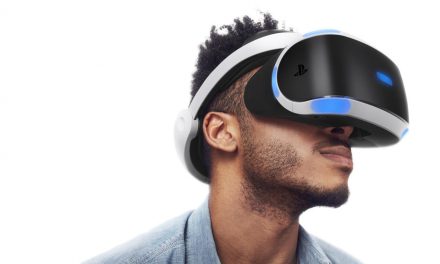
The most advanced wearables focus on the eyes (sorry!) Companies like Meta are developing three dimensional immersive reality glasses. These have come a long way since the 3D virtual reality headsets of the past. The new immersive technology integrates reality, that is, what you can actually see, with an augmentation created by a computer. Although they are concentrating on entertainment and gaming at the moment, they have opened the systems to developers by providing a software development kit (SDK). The SDK comes with a version of the glasses and will give developers the chance to create any augmented reality. The potential in the medical field alone is enormous.
As the potential uses for wearable technology are explored, we will undoubtably see some successes and failures. We can be sure however, that wearables will have a social and cultural impact that might even over-shadow the way the mobile phone has changed our lives.