
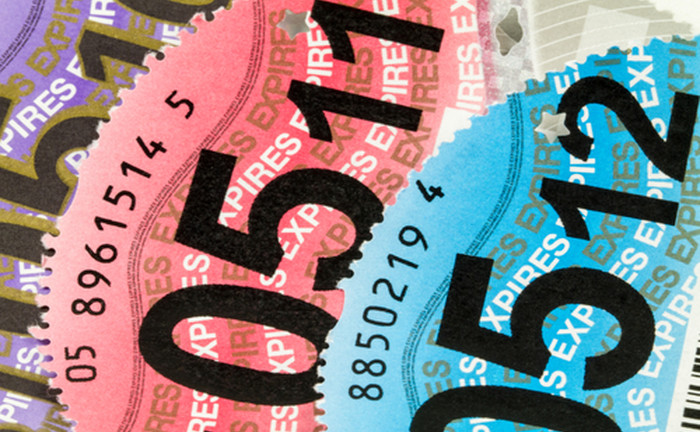
As of October 2014, the Driver and Vehicle Licensing Agency (DVLA) told drivers that they no longer need a physical tax disc displayed in their car. One year on, the amount of un-taxed cars on the roads has more than doubled. A total of 560,000 cars were estimated to be driving without tax this year, compared to 210,000 in 2013. That is an increase of 0.8% of all the cars in Britain, from 0.6% up to 1.4%.
The decision to scrap the physical tax discs, after being in use for almost one hundred years, was an attempt to lessen the bureaucracy of the DVLA, making it more efficient and saving the taxpayer £10 million in the process. Unfortunately, the increase in untaxed vehicles amounts to a loss of about £80 million in revenue – a small, but still significant fraction of the almost £6 billion that is raked in each year.
It is unclear whether the rise in untaxed cars is through purposeful avoidance, or accidental human error, as there were a number of other changes made by the DVLA that may have had an affect. Before the changes, when buying a second hand car, the tax disc was more than likely to be included in the sale. It would continue to be valid when the owner of the car changed hands. This is no longer the case. All remaining road tax is refunded to the seller, with the responsibility on the buyer to purchase his or her own. The Department for Transport says there is a “potential for evasion rates to increase if the new keeper fails to understand or comply with the new arrangements.”
With all changes of this sort, it does usually take a bit of time for those affected to get used to the new way of doing things. A key lesson to learn here is that, when looking to modernise and improve efficiency to a system – especially if it is one that has been in place for a long time – be sure to take additional time to educate those who will be affected by the changes, so they fully understand what it means to them.