Raising money for charity can be a thankless task. Standing in the cold outside a supermarket in the pouring rain with a plastic bucket while most shoppers ignore you is not a job suited to most people. Being on the receiving end of calls from one legitimate charity after another begging for money can be a harrowing experience as well. We have all felt guilty about being sharp with someone who is trying to do good, but just how much can we give away.
Charities have had to re-think their fund raising strategies. In a world where it is increasingly rare to give ‘something for nothing’ (yes of course, we get that warm fuzzy feeling when we give money or time to a worthy cause, but again, how much can we give away?) charities need to come up with something that they can give in return for the money that they receive.
Send A Cow, the charity that help the poor of Africa through agricultural development, has done just that. With a very small budget they have created a free e-book called The Most Important Meals of Their Lives. The book is packed full of recipes attributed to people like Nelson Mandela, Mahatma Gandhi, Rosa Parks, Florence Nightingale, Winston Churchill, Albert Einstein and many more. (if you download this book, please think about making a contribution to Send A Cow)
Just over £1.5 million was raised by the campaign supported by the e-book. It also received the ‘Not-for-profit campaign of the year’ award at both the PRCA and the CIPR Excellence award ceremonies in 2014 and 2015. A simple idea to provide something of ‘worth’ to contributors.
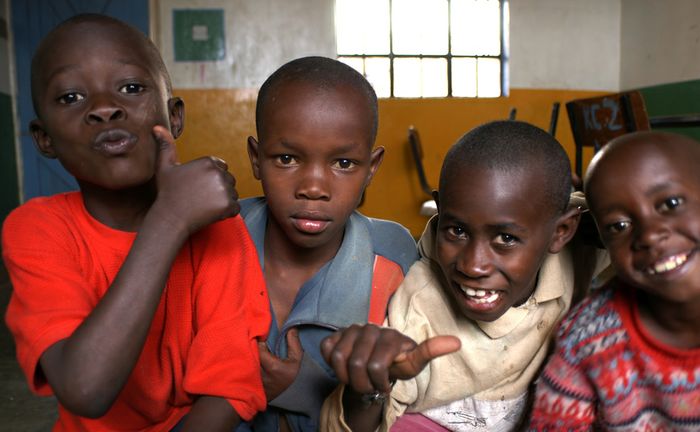
Send A Cow helps poor families in Africa. From the arid hillsides of Lesotho, to the green and lush forests of Rwanda, the drought-stricken plains of Ethiopia or the grasslands of Uganda their workers deliver training suited to local conditions. In some areas they focus on land management to prevent soil erosion and deforestation; in others, social development is the main priority for those unable to heal the scars of war. No two programmes are identical, but they are linked by their passion to help rural people in need, whose poverty can be transformed through agricultural development.