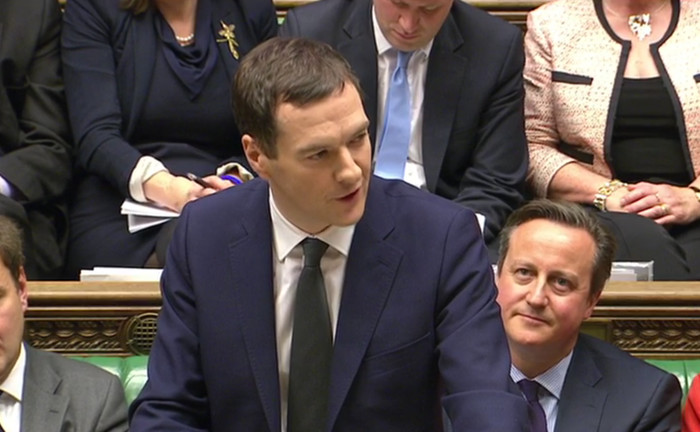
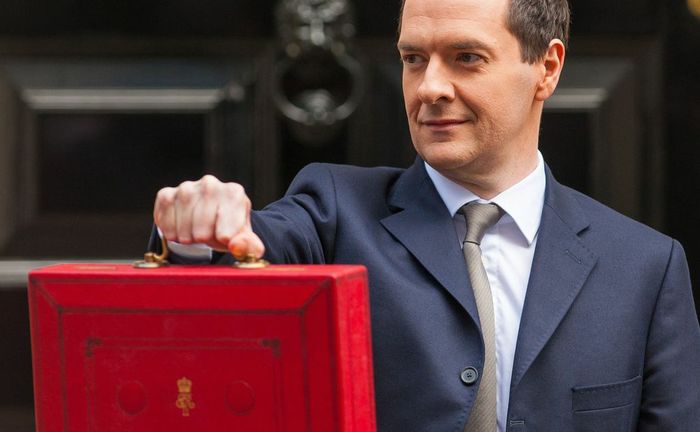
But not until 2020. The UK Chancellor, George Osbourne, presented his summer budget to parliament yesterday. Most welcomed the UK National Living Wage rising to £9 per hour, but it will only be available to the over 25’s and not until 2020. The first rise will be introduced in April 2016, it will go up to £7.20 per hour replacing the current minimum wage which is £6.50 per hour.
Other highlights of the budget included:
- Corporation tax to be cut from 20% to 19% in 2017 and 18% in 2020
- The tax-free income tax allowance will rise from £10,600 to £11,000 next year
- The higher rate income tax threshold will rise from 42,385 to £43,000 next year
- Rises in public sector pay will be frozen at 1% for the next four years
- The income level for Tax Credits will be reduced from £6,420 to £3,850
- Benefit caps will be reduced from £26,000 to £23,000 in London and £20,000 in the rest of the country
- A Fiscal Charter will commit the country to running an overall surplus in normal economic times
The budget covered a total of 24 points that can be viewed in full on the Welcome to GOV.UK website
Labour comments by Chris Leslie on the Labour.org.uk website were not enthusiastic, he suggested “The Chancellor has delivered a Budget which, despite all the claims, will leave working people worse off.This was a Budget from a politician chasing headlines to further his own ambitions rather than putting Britain first.”
Nick Robinson, political editor for the BBC looked at the announcements from a different angle, he said “So it is that he adopted a series of Labour policies – a higher re-badged minimum wage, a levy on firms to pay for apprentices, an assault on the tax privilege of so-called non doms. This in addition to delivering Tory promises to cut income tax, corporation tax and inheritance tax. But hold on – below those headlines are some potentially eye-watering cuts to benefits – the cuts to tax credits for families will dwarf the pay rise many will get.”
It is undoubtedly a big budget, as with all budgets though, it will only be time that that tells whether or not this was a master-stroke or another budget that fades into the annuls of history.