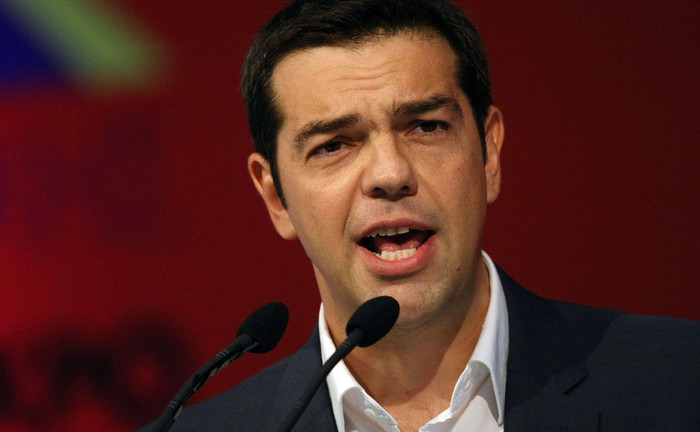
Left-winger Alexis Tsipras will once again be Prime Minister of Greece after Syriza won the country’s snap general election. In a vote that was expected to be too close to call, it quickly became clear that Syriza had convinced their supporters to stick with them and thus, cling onto power. This is despite months of turbulence, culminating in their leader signing onto the austerity package that he was elected throw out. Tsipras was resolute in victory, saying, “Europe will not be the same after our people’s victory”. Vangelis Meimarakis, leader of the NDP and the most likely candidate to have beaten Tsipras, accepted defeat in a statement saying that Tsipras should form a government as soon as possible.
Syriza will return to power with 145 seats in parliament. This is just four fewer than they won in January’s election, and only six seats away from a majority. To make up the numbers, they will once again enter into an agreement with the right wing, anti-austerity party, the Independent Greeks. Tsipras will no doubt be relieved that his party managed to hold onto so many seats, and will be looking to stay in government for the long-term. He said at his victory rally, “the struggle will be continued together, for a full four years, because the mandate that we got is a four year mandate”. Although his legislative ability will be heavily restricted by the terms of the bailout, Tsipras said he would aim to help those most in need avoid the worst of the austerity, whilst also tackling the corruption and vested interests in the Greek political system.
The rebellious members of the Syriza, who formed their own party called Popular Unity after Tsipras signed the bailout deal, failed in their bid to enter parliament. They fell short of the 3% threshold needed to claim any seats, winning just 2.8% of the vote. Their spokesman Panagiotis Lafazanis said, “We lost the battle, but not the war.” Turnout at the election was down 7%, from 6.3million to 5.5million, showing just how tired of politics the Greek people are after the fourth general election in three years. If Alexis Tsipras manages to hold his coalition together, they will not have to vote again until 2019.