The top news story today reports that in large supermarkets in England we will have to pay 5p for every plastic bag we use. This inconvenience, if the trend in the rest of the UK is followed, will result in an 80% reduction of plastic bag usage according to government sources. There is a staggering 7.6 billion bags given away every year in England, this amounts to around 61,000 tonnes and 140 bags per person. Environment Minister Rory Stewart said it could make a huge difference, “meaning we can all enjoy a cleaner, healthier country”.
But is this really a problem?
Scientists estimate that every square mile of ocean contains about 46,000 pieces of floating plastic. Researchers have found that plastic debris acts like a sponge for toxic chemicals, soaking up a million fold greater concentration (than surrounding water) of such deadly compounds as PCBs and DDE. Becoming highly toxic poison to marine animals which frequently consume these particles. – See more at: Inspiration Green
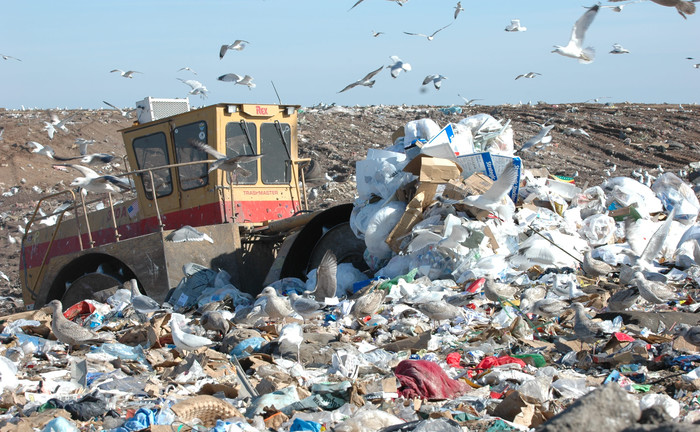
Over the last ten years we have produced more plastic than during the whole of the last century and plastics account for 10% of the total waste we produce. The production of plastic uses around eight percent of the world’s oil production and there is no readily available data about the emissions caused by the production of plastic from oil. The Great Pacific Garbage Patch is located in the North Pacific Gyre off the coast of California and is the largest ocean garbage site in the world. This floating mass of plastic is twice the size of Texas, with plastic pieces outnumbering sea life six to one. And one final fact for now -Virtually every piece of plastic that was ever made still exists in some shape or form (with the exception of the small amount that has been incinerated).
With these statistics it is clear to see that any move to reduce the amount of plastic we use is a good one, even if it is only plastic bags. Given we currently recover only five percent of the plastics we produce, the opportunity for the plastics manufacturers is to think hard about the profits that can be made from recycling.