
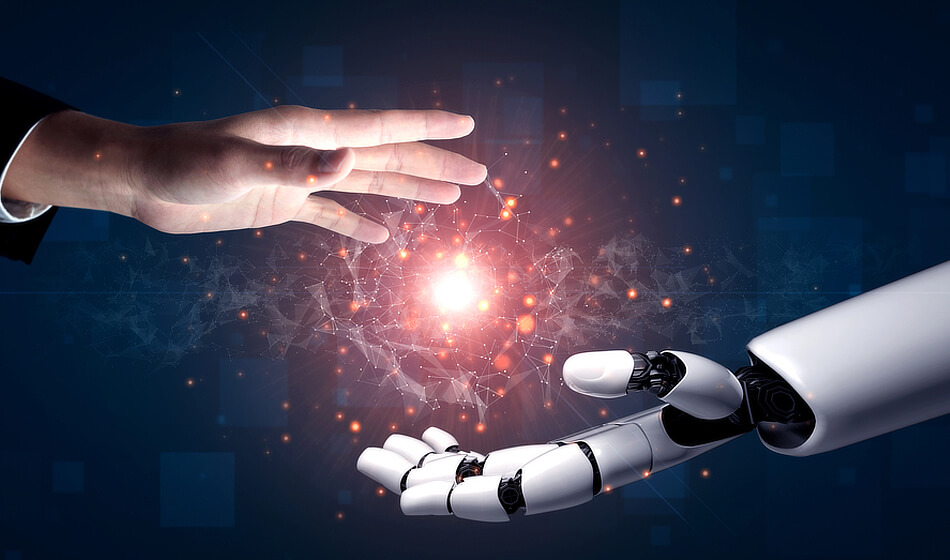
Artificial intelligence is everywhere. It analyzes your Netflix choices, guides your GPS, and even attempts to predict what you’ll want for lunch tomorrow. AI promises to be a game-changer in the business world, revolutionizing how leaders make decisions and shape strategies. But with great power comes great uncertainty. While some hail AI as the ultimate strategic ally, others warn it’s a ticking time bomb waiting to disrupt more than it aids.
The AI debate has become more than a question of technological capability; it’s a philosophical dilemma for business leaders. Can machines really make better strategic decisions than humans? How much control should we relinquish to algorithms? These questions aren’t just academic—they play out in boardrooms and businesses worldwide. So, is AI a friend, a foe, or something in between? Let’s dive deeper into this complex issue.
A Game-Changer in Strategy
AI’s capabilities are jaw-dropping. Need to analyze vast datasets faster than a caffeinated analyst on a deadline? AI’s got you covered. From predictive modelling to uncovering trends that no human eye could catch, AI offers businesses a competitive edge. The sheer speed and accuracy it brings to data analysis can transform companies’ operations.
Take Amazon, for example. Its recommendation engine, powered by AI, drives significant revenue by suggesting products tailored to each customer. Or consider Tesla, whose AI systems continually learn to improve self-driving cars. These aren’t just examples of efficiency; they’re demonstrations of how AI can fundamentally reshape industries.
Beyond retail and automotive, AI is making waves in healthcare, finance, and supply chain management. Predictive analytics powered by AI help doctors detect diseases earlier. At the same time, financial institutions use AI to identify fraud in real-time. Meanwhile, logistics companies like DHL and FedEx are optimizing delivery routes and warehouse operations with AI algorithms.
AI also excels at decision support. It doesn’t just crunch numbers; it interprets them, offering leaders insights they can act on. With AI handling the heavy lifting, human strategists can focus on creative problem-solving and long-term vision. This shift in focus allows businesses to innovate faster and adapt to changing market conditions more effectively.
When AI Becomes the Enemy
But it’s not all rosy. Overreliance on AI can lead to serious pitfalls. AI lacks the intuition and emotional intelligence that human leaders bring. It can identify patterns but doesn’t understand the human context behind them. This limitation can result in decisions that look good on paper but fail in the real world.
Then there’s the issue of bias. AI systems are only as unbiased as the data they’re trained on. In one infamous case, a hiring algorithm developed by a tech giant showed a preference for male candidates because it had been trained on historical data favouring men. Such blind spots can perpetuate inequalities and tarnish a company’s reputation. It raises the question: How do we ensure AI systems are fair and equitable?
Security is another concern. AI systems are vulnerable to hacking and misuse. Imagine an AI-driven stock trading algorithm being manipulated to crash a market. The risks aren’t hypothetical; they’re genuine. Businesses must invest in robust cybersecurity measures to protect their AI systems from bad actors.
Lastly, there’s the fear of over-automation. In their eagerness to adopt AI, some businesses have automated processes that require human judgment, leading to costly mistakes. Customer service chatbots, for example, can frustrate users when they fail to address nuanced issues. The lesson? AI is powerful but far from infallible.
Human and Machine Collaboration
So, what’s the solution? Balance. AI isn’t meant to replace human strategists but to work alongside them. The most effective strategies leverage AI for what it does best—processing data at scale—while leaving nuanced decision-making to people.
Governance is key. Companies need clear ethical guidelines and robust oversight to ensure AI aligns with their values and goals. Leaders must stay involved, not just delegate everything to the machines. Think of AI as a team member—one that’s brilliant in some areas but clueless in others.
Training is also crucial. Employees at all levels, not just the IT team, should understand the basics of AI. This builds trust and helps the organization use AI responsibly. When employees grasp AI’s capabilities and limitations, they’re better equipped to collaborate with it effectively.
Another critical aspect is transparency. Businesses should be open about how they’re using AI and what data it relies on. This builds trust with customers and stakeholders, ensuring they feel confident in the technology’s role.
Companies like Google and Microsoft are already leading the way in AI ethics, setting guidelines to prevent misuse. These initiatives serve as valuable examples for businesses looking to integrate AI responsibly.
A Tool, Not a Replacement
AI is neither the saviour nor the villain of business strategy. When used thoughtfully, it’s a potent tool that can revolutionize how companies operate. But like any tool, its effectiveness depends on how it’s wielded.
As a leader, your job isn’t to fear AI or worship it. It’s to understand its strengths and limitations and integrate them to enhance your strategic goals. This requires a balanced approach that values machine precision and human intuition.
The future of business strategy isn’t about choosing between humans and machines. It’s about finding the sweet spot where they complement each other. So, how will your company strike the balance? The answer could define the success of your strategy for years to come.
AI is here to stay. The question is, how will you use it? Will it be your greatest ally or an obstacle to overcome? The choice is yours, and the stakes couldn’t be higher. Now is the time to embrace AI thoughtfully, ensuring it serves as a friend, not a foe, to your business strategy.