
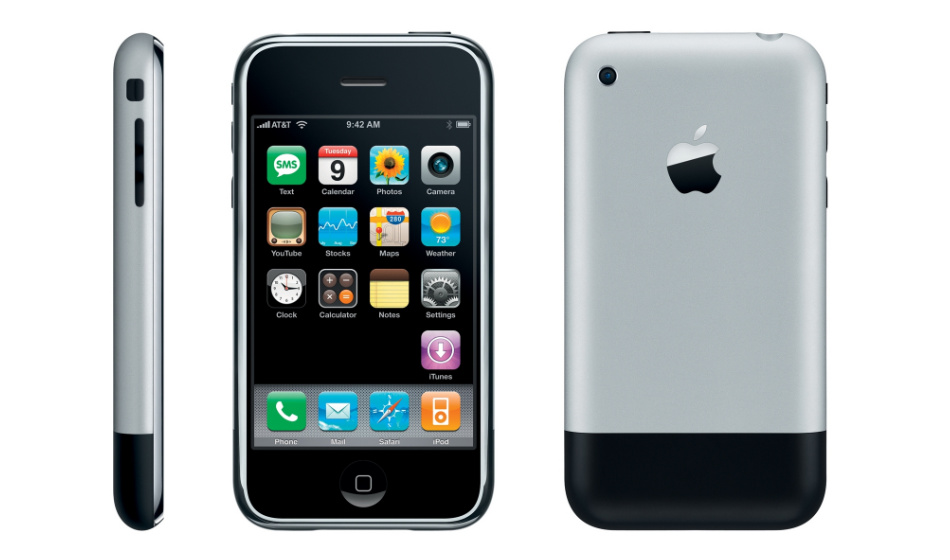
Ten years ago, the co-founder of Apple, Steve Jobs introduced the iconic touchscreen minicomputer that encompassed a digital music player, web browsing, email, and maps. The first iPhone had four to eight gigabytes of storage, and at that time, it didn’t have an App Store. Apple was valued at $75 billion.
To state that Apple’s co-founder, who passed away in 2011, piloted a new era of development would be an underestimation of the brand’s dominant decade.
The company has sold about $650 billion worth of phones, with well over half purchased within these past three years. During fiscal 2016, the phones generated revenue of approximately $136.7 billion, making this single product larger than all but thirty-five companies — in the whole world.
In addition to hundreds of billions of stock market value, this iPhone has contributed to the company’s growth. The device has facilitated the overwhelming growth of mobile-first newcomers like Snap, Uber, and Spotify while pushing Twitter and Facebook headlong into the smartphone age. In the meantime, the iPhone helped dismantle a swath of popular tech giants. Palm, Nokia, Motorola, and BlackBerry, we all remember, entered the mobile phone market many years before Apple did.
Unable to keep up the pace with innovation, these companies eventually collapsed. Today, BlackBerry is valued at approximately 94 percent below its highest in 2008, and all the other brands had no choice but to sell. However, Apple has had its fair share of competition. Pressure from companies like HTC, Samsung, Google, and Huawei has impacted the reputation of the iPhone, just as has the rise in mid-range and higher-quality budget devices that weaken the iPhone on price.
Since the first announcement in 2007, the company has introduced eleven new generations of iPhone, radically redesigning the mobile phone on several occasions.
The company has also changed the signature screen size and brought in an overall larger model of the phone with iPhone 6 Plus two years ago, the first model to feature a screen that has over five inches. Also, the iPhone also brought about the creation of App Store in 2008 and it has been at the center of the development of a great number of immensely successful mobile app businesses, which include the likes of Uber, Angry Birds, and Deliveroo.
This is the success story of the iPhone that, even though it was an individual business, it generated revenue which exceeded that of most of its competitors, including Google and Microsoft. Analysts have tagged this device a cultural icon and the most modern mobile phones were inspired by this iPhone in some form. The brand’s next version of iPhone, which should be unveiled sometime in September, is already rumored to feature an even larger screen that takes up the majority of the device front.