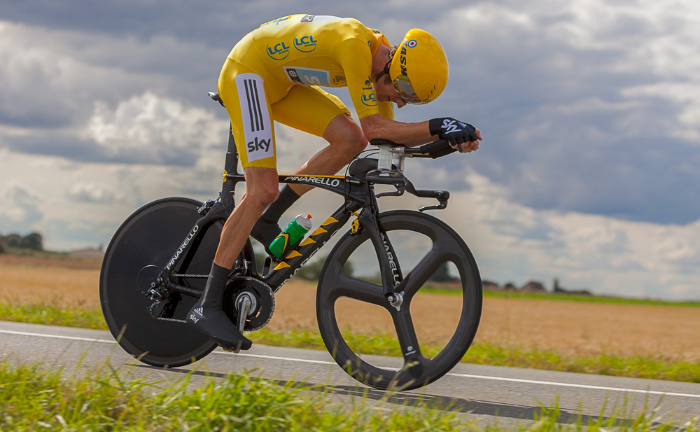
After Sir Bradley Wiggins tremendous success in the 2012 Tour de France which caused an estimated 200,000 people to take up regular cycling, the Government was handed a golden opportunity use the sport to its advantage in the never ceasing problem of health in the UK. It is estimated that the UK could save around £17 billion within 20 years if the UK cycling levels were similar to those in Denmark.
Ian Drake, the chief executive of British Cycling, the national federation said “Cycling has been the first real example where elite success in major events can be properly used to get people enthused. We set out a plan in 1997 to become the world’s top cycling nation and we achieved that in 2008. But the target was expressed in gold medals when really it should be about participation and getting more people on bikes.”
However, the advice seems have fallen on deaf ears. The Government has unveiled an early draft of its Cycling and Walking Investment Strategy. The strategy has not impressed many people so far. There have been suggestions that it is not worth the paper it is written on. The main area of complaint is the amount of investment. £316 million over the next five years is considered pitifully small compared to countries were sustained investment is paying real health dividends.
The investment works out at around £1.38 per person outside London (according to CTC, The Cycling Tourists Club). When this is compared to the average per head spend in Denmark at £24 per person it seems the UK has a long way to go.
Chris Boardman the The British Cycling policy adviser and 1992 individual pursuit Olympic champion believes that far more ambition is required of the Government if it ever expects cycling (or walking) to have a positive impact on the nations health. He said “The truth is that without sustained funding, this strategy won’t be worth the paper it’s written on. We know that when faced with other priorities like road maintenance, saving bus routes and new housing developments, cycling and walking will be put at the bottom of most councils’ to-do lists.”